Live in a week: an honest rollout plan

Live in a week: an honest rollout plan

The question we get asked most often isn’t about features. It’s “how long will this take, and how much of my time is it going to eat?”

The question we get asked most often isn’t about features. It’s “how long will this take, and how much of my time is it going to eat?”

It’s a fair question, and the honest answer is that most software rollouts in this industry go badly for the same two reasons: the business tries to switch everything on at once, and nobody was ever told what week one would actually look like. So here it is — day by day, for a business running around twenty techs.

Before day one: two decisions, one list

You need to decide two things before anyone touches the system. First: which workflow hurts most right now — scheduling, quoting or invoicing? That’s the one you go live with. Second: who owns this internally? One person, usually the operations manager. Not a committee.

Then there’s the list: your customers, your sites, and your active jobs. Most businesses can export that from their accounting system in an afternoon. We do the rest of the data work from there.

Monday: configuration, not training

Day one is us and your operations lead in a room — or on a call — setting the system up around how you already work. Job types, your stages, your invoicing rules, who sees what. This is the part that matters, and it’s the part generic platforms skip: we configure to your process rather than asking you to adopt ours.

Time from your side: about half a day.

It’s worth saying what we do rather than what you do. We handle the data import, the configuration, the accounting integration and the sanity-checking afterwards. What we can’t do is make the decisions — how you want jobs staged, what your invoicing rules are, who’s allowed to change a price. Those need someone from your business in the room, which is why one clear owner matters more than a big committee.

If your process is genuinely unusual — and in HVAC&R and electrical it often is, between site access rules, PO requirements and after-hours rates — this is the day we build around it rather than asking you to change it. That’s the difference between software that sticks and software that gets quietly abandoned in month four.

Tuesday: the office team

Schedulers and admin staff learn the board and the job screen. Two hours, hands on, with real jobs rather than demo data. By the end of the session they’re building jobs faster than they were on the whiteboard — that’s the bar, and if we don’t hit it we keep going until we do.

We start with the jobs already in the diary rather than made-up examples, because the questions people actually have are specific: the customer who wants two POs on one job, the site that needs the same tech every time, the recurring job that has to be split across two months. Answering those in the session is what turns training into confidence.

Expect one person to pick it up in an hour and one person to need a second sitting. That’s normal, and worth planning for rather than pretending everyone learns at the same speed.

Wednesday: the techs

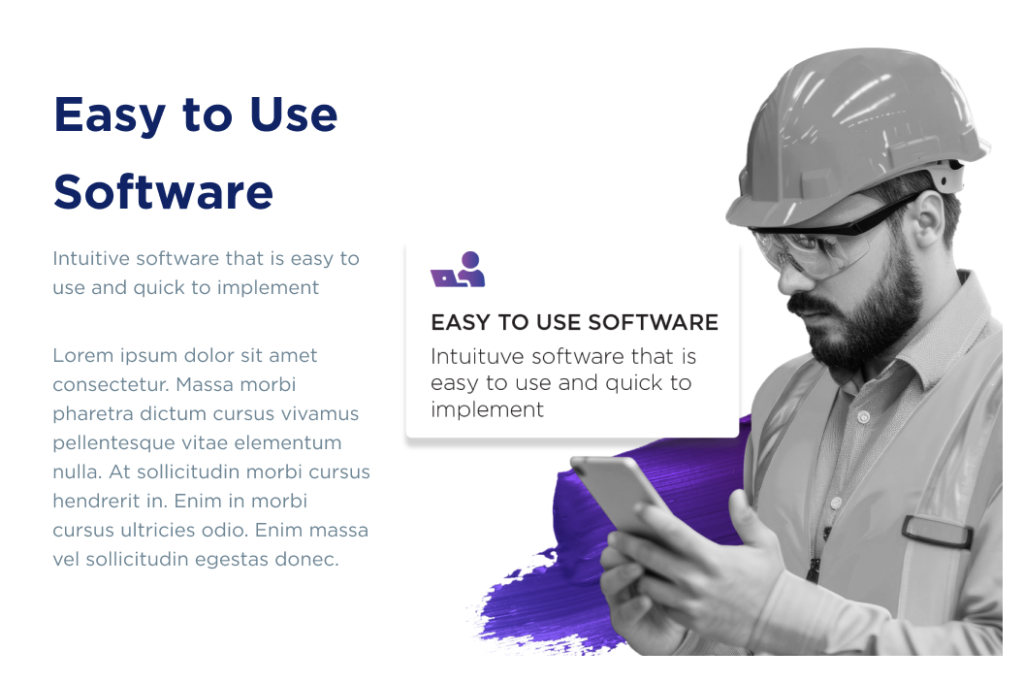
This is the day everyone worries about, and it’s usually the easiest. The mobile app takes about forty minutes to explain, mostly because there isn’t much to explain: here’s your day, here’s the job, here’s the site history, here’s how you sign it off.

Techs aren’t afraid of technology. They’re afraid of software that’s slower than the paper it replaced. If the app doesn’t save them time on the first job, they’ll go back to the docket book and you’ll never get them back — so we design for that first job.

The pitch to the crew is short: you stop writing the same thing twice, you stop driving dockets back to the office, and you stop getting rung at 7pm about a job you did on Tuesday. Framed that way, adoption is rarely the fight people expect.

One thing worth deciding in advance: whether techs capture time as they go or at the end of the day. Both work. Not choosing is what causes the mess.

Thursday: run it in parallel

One day of belt and braces. Jobs go into TSMPlus and the old process keeps running alongside. You’ll find the three or four things nobody thought to mention — the customer who needs two POs, the site that’s technically two sites, the after-hours rate. We fix those on the day.

Parallel running for a single day is deliberate. Run it for a fortnight and you’ll have two half-maintained systems and a team that trusts neither. One day is enough to surface the surprises without letting the old process reassert itself.

Friday: live

Friday you invoice out of TSMPlus. That’s the moment it becomes real, and it’s deliberately the end of week one rather than month three — because the invoicing win is the one everybody in the business feels immediately.

Then you stop. Don’t add modules for a few weeks. Let the new normal settle, then pick the next workflow — purchasing, preventative maintenance, asset registers, project costing.

A realistic month two looks like this: purchasing tied back to jobs so your costing is real, then preventative maintenance contracts generating their own work, then asset registers building themselves off the back of both. Each of those is a couple of hours of setup, not another week.

What actually goes wrong

Three things, in our experience. Dirty customer data that nobody wants to own. A business that tries to switch on eleven workflows in week one. And an owner who delegates it entirely and then changes the rules in week three.

None of those are software problems, which is why we’d rather talk about them before you sign than after.

What it costs you in hours

Add it up: half a day for your operations lead on Monday, two hours for the office team on Tuesday, forty minutes per tech on Wednesday, and a day of mild inconvenience on Thursday. Call it a day and a half of real business time across a week.

Compare that with the number most people carry around in their head — a month of disruption and a system nobody uses. That fear is well earned, but it comes from rollouts that tried to change everything at once, usually with a vendor on another continent.

The other number worth putting next to it is what the current process costs every week. If two people spend an afternoon each chasing dockets and re-keying jobs, that’s a day of wages a week, every week, forever. A day and a half once is not a difficult trade.

And if it does go long — because your data was messier than anyone thought, or a key person was away — you’ll hear it from us early rather than discovering it in week five. Telling you the awkward thing quickly is most of what good implementation actually is.

Ask us for a rollout plan for your business — with dates on it — before you commit to anything. Book a demo, or call 0457 228 884.
Before day one: two decisions, one list

You need to decide two things before anyone touches the system. First: which workflow hurts most right now — scheduling, quoting or invoicing? That’s the one you go live with. Second: who owns this internally? One person, usually the operations manager. Not a committee.

Then there’s the list: your customers, your sites, and your active jobs. Most businesses can export that from their accounting system in an afternoon. We do the rest of the data work from there.

Monday: configuration, not training

Day one is us and your operations lead in a room — or on a call — setting the system up around how you already work. Job types, your stages, your invoicing rules, who sees what. This is the part that matters, and it’s the part generic platforms skip: we configure to your process rather than asking you to adopt ours.

Time from your side: about half a day.

It’s worth saying what we do rather than what you do. We handle the data import, the configuration, the accounting integration and the sanity-checking afterwards. What we can’t do is make the decisions — how you want jobs staged, what your invoicing rules are, who’s allowed to change a price. Those need someone from your business in the room, which is why one clear owner matters more than a big committee.

If your process is genuinely unusual — and in HVAC&R and electrical it often is, between site access rules, PO requirements and after-hours rates — this is the day we build around it rather than asking you to change it. That’s the difference between software that sticks and software that gets quietly abandoned in month four.

Tuesday: the office team

Schedulers and admin staff learn the board and the job screen. Two hours, hands on, with real jobs rather than demo data. By the end of the session they’re building jobs faster than they were on the whiteboard — that’s the bar, and if we don’t hit it we keep going until we do.

We start with the jobs already in the diary rather than made-up examples, because the questions people actually have are specific: the customer who wants two POs on one job, the site that needs the same tech every time, the recurring job that has to be split across two months. Answering those in the session is what turns training into confidence.

Expect one person to pick it up in an hour and one person to need a second sitting. That’s normal, and worth planning for rather than pretending everyone learns at the same speed.

Wednesday: the techs

This is the day everyone worries about, and it’s usually the easiest. The mobile app takes about forty minutes to explain, mostly because there isn’t much to explain: here’s your day, here’s the job, here’s the site history, here’s how you sign it off.

Techs aren’t afraid of technology. They’re afraid of software that’s slower than the paper it replaced. If the app doesn’t save them time on the first job, they’ll go back to the docket book and you’ll never get them back — so we design for that first job.

The pitch to the crew is short: you stop writing the same thing twice, you stop driving dockets back to the office, and you stop getting rung at 7pm about a job you did on Tuesday. Framed that way, adoption is rarely the fight people expect.

One thing worth deciding in advance: whether techs capture time as they go or at the end of the day. Both work. Not choosing is what causes the mess.

Thursday: run it in parallel

One day of belt and braces. Jobs go into TSMPlus and the old process keeps running alongside. You’ll find the three or four things nobody thought to mention — the customer who needs two POs, the site that’s technically two sites, the after-hours rate. We fix those on the day.

Parallel running for a single day is deliberate. Run it for a fortnight and you’ll have two half-maintained systems and a team that trusts neither. One day is enough to surface the surprises without letting the old process reassert itself.

Friday: live

Friday you invoice out of TSMPlus. That’s the moment it becomes real, and it’s deliberately the end of week one rather than month three — because the invoicing win is the one everybody in the business feels immediately.

Then you stop. Don’t add modules for a few weeks. Let the new normal settle, then pick the next workflow — purchasing, preventative maintenance, asset registers, project costing.

A realistic month two looks like this: purchasing tied back to jobs so your costing is real, then preventative maintenance contracts generating their own work, then asset registers building themselves off the back of both. Each of those is a couple of hours of setup, not another week.

What actually goes wrong

Three things, in our experience. Dirty customer data that nobody wants to own. A business that tries to switch on eleven workflows in week one. And an owner who delegates it entirely and then changes the rules in week three.

None of those are software problems, which is why we’d rather talk about them before you sign than after.

What it costs you in hours

Add it up: half a day for your operations lead on Monday, two hours for the office team on Tuesday, forty minutes per tech on Wednesday, and a day of mild inconvenience on Thursday. Call it a day and a half of real business time across a week.

Compare that with the number most people carry around in their head — a month of disruption and a system nobody uses. That fear is well earned, but it comes from rollouts that tried to change everything at once, usually with a vendor on another continent.

The other number worth putting next to it is what the current process costs every week. If two people spend an afternoon each chasing dockets and re-keying jobs, that’s a day of wages a week, every week, forever. A day and a half once is not a difficult trade.

And if it does go long — because your data was messier than anyone thought, or a key person was away — you’ll hear it from us early rather than discovering it in week five. Telling you the awkward thing quickly is most of what good implementation actually is.

Ask us for a rollout plan for your business — with dates on it — before you commit to anything. Book a demo, or call 0457 228 884.

The hidden cost of the paper job sheet

Nobody in this industry loses a job on purpose. They lose it in the gap between a tech finishing at 4:40pm and someone in the office typing it up on Thursday. The docket is in the ute. The ute is at the next site. By the time it lands on a desk, the tech has done six more jobs and can’t remember whether the second contactor went on that unit or the one across the roof.

Everyone knows the paper is a problem. What most businesses have never done is add up what one missing docket actually costs. So let’s do it properly. There are four places a job leaks, and each of them has a number attached.

Leak one: the day nobody can see

Start with the whiteboard. If the schedule lives on a wall, only the people in that room know what today looks like. A breakdown call comes in at 9:15 and the person answering the phone has to guess who’s closest, who’s free, and who’s already running late. They ring two techs to find out. Both of them stop work to answer.

Two interruptions is fifteen minutes across three people. Do that four times a day and you’ve spent the better part of a technician’s afternoon co-ordinating instead of fixing. The cost isn’t the phone call — it’s the job you couldn’t fit in because nobody could see the space.

There’s a quieter cost underneath it. When the person dispatching can’t see the whole day, they send whoever answers rather than whoever is right. The apprentice goes to the site that needed the refrigeration ticket. Someone drives across town past two techs who were closer. None of that shows up as a loss — it shows up as a business that feels busy and isn’t as profitable as it should be.

Leak two: the same job, typed four times

Count the keystrokes on a single service call in most businesses. The job gets written on a docket. The docket gets typed into a spreadsheet or a scheduling tool. The parts get entered again when the supplier invoice arrives. Then the whole thing gets re-entered into the accounting system to raise the invoice.

Four entries, four chances for a number to change. And every one of them is admin time you’re paying for but can’t bill.

The parts are the worst of it. A tech grabs two contactors off the van, notes them on the docket, and the supplier invoice arrives eleven days later under a different description. Somebody has to match them up. When they can’t — and often they can’t — the parts either get missed off the invoice entirely or get charged to an overhead account, and your job costing quietly stops meaning anything.

The re-keying also sets your invoicing speed. You can’t send what hasn’t been typed up, and nobody types up dockets on a Friday afternoon.

Leak three: the invoice that went out nine days late

Here’s a test worth running this week. Pick ten completed jobs from last month. Write down the day the work finished and the day the invoice was sent. Average the gap.

Most service businesses we meet are somewhere between seven and fourteen days, and they’re surprised by it — the office feels busy, so it feels fast. But every day in that gap is your money funding somebody else’s business, and the payment terms don’t even start until the invoice lands. A nine-day internal delay on 30-day terms is really 39-day terms.

Worse, a late invoice is a disputed invoice. The further you get from the job, the more likely the customer queries a line they’d have accepted on the day.

And an invoice you can’t evidence is an invoice you discount. Once a customer challenges three hours of labour on a job from a fortnight ago, the conversation is no longer about the work — it’s about whose memory is better. Most businesses write it off to keep the relationship, which is a decision made silently, one job at a time.

Leak four: the history that walked out the door

This is the expensive one, and it doesn’t show up on any report. When a tech with fifteen years on the tools retires, everything he knew about the plant room at that shopping centre goes with him — unless it was written down somewhere findable.

Paper does get filed. It just doesn’t get found. And so you send someone new to a site with no model numbers, no fault history, no note about the isolator that’s in a stupid spot. They spend the first hour discovering what you already knew.

It shows up in tendering too. When a contract comes up for renewal and you can’t produce a service history, you’re bidding on price against people who also can’t produce one. The customer has no way to tell you apart, so they choose the cheapest. Your fifteen years of knowledge about that building was worth something — it just wasn’t written down anywhere you could hand over.

It’s not the paper. It’s the handoffs.

Notice that none of the four leaks are really about paper. They’re about work changing hands. Tech to office. Office to accounts. Accounts to customer. Every handoff is a place where something waits, and waiting is where the money goes.

Which is why replacing dockets with a PDF form doesn’t fix much. The fix is having one record of the job that everyone works from — the tech on site, the person scheduling, the person invoicing. Not four copies of it in four systems.

That’s what TSMPlus does, and it’s the whole reason we build it the way we do: easy enough that the tech in the van actually uses it, and quick enough to set up that you’re not still implementing it at Christmas.

Want to see what your four leaks look like? Book a 20-minute demo and bring one real job with you — we’ll walk it through the system end to end. Or ring us on 0457 228 884 and talk to someone who’s worked in this industry for 30 years.

5 Scheduling Mistakes Costing Australian HVAC Businesses Money (and How to Fix Them)

Ask any HVAC business owner where their day goes, and “sorting out the schedule” is usually near the top. Scheduling feels like admin, but it’s actually one of the biggest levers on your profit. Get it right and your techs do more billable work with less driving. Get it wrong and you’re paying wages for windscreen time, fielding angry calls, and watching invoices slip.

Here are five scheduling mistakes we see again and again — and how to fix each one.

1. Running the schedule out of your head (or a whiteboard)

When the schedule lives in one person’s memory or on a board in the office, only that person can answer “who’s free this afternoon?” The moment they’re on the phone, sick, or on holiday, everything stalls. Worse, the field has no idea what’s changed.

The fix: Move scheduling into a system everyone can see. With a live scheduling board, the office assigns jobs and the tech sees the update instantly on their phone — no phone-tag, no double bookings.

2. Ignoring travel time and location

Sending your northside tech to a southside job because they “had a gap” looks efficient on paper and costs you an hour of unpaid driving. Multiply that across a week and a team, and it’s real money.

The fix: Schedule by location and skill, not just by who’s free. Group jobs in the same area and send the closest qualified tech. Tighter runs mean more jobs per day.

3. Treating every job like it takes the same time

Booking jobs back-to-back without realistic durations is how you end up running 90 minutes behind by lunch — and apologising to every customer after that.

The fix: Use job history. If a particular service or site type always runs long, your system should remember that and block the right amount of time automatically.

4. No buffer for the inevitable

Emergencies, parts that aren’t on the van, a job that’s bigger than quoted — these aren’t surprises, they’re Tuesdays. A schedule with zero slack collapses the first time reality intervenes.

The fix: Build in buffer slots and keep one tech loosely held for urgent call-outs. When nothing blows up, that capacity becomes catch-up or preventive maintenance.

5. The schedule and the invoice living in different worlds

If a completed job has to be re-typed before it can be invoiced, you’ve added a delay between doing the work and getting paid — and a chance for errors to creep in.

The fix: Connect scheduling, job completion, and invoicing. When the tech closes the job on their phone, the office can invoice the same day. Faster cash flow, fewer mistakes.

The bottom line

None of these fixes require working harder — they require a system that does the remembering for you. That’s exactly what TSMPlus was built to do for HVAC&R and electrical businesses: easy to set up, easy for your team to actually use, and backed by a real Australian support team when you need a hand — not an email-only queue.

Want to see it on your own jobs? [Book a quick demo][LINK].

Going Paperless: A Step-by-Step Guide to Digital Field Operations with TSMPlus

In the HVAC, refrigeration, and electrical industries, paperwork has been a necessary evil for decades. Job sheets, compliance forms, invoices and purchase orders. These documents keep operations moving, but also create clutter, slow processes, and cause headaches when misplaced or damaged.

The shift to digital field operations is more than just an eco-friendly trend. It’s a business transformation that improves efficiency, accuracy, and customer satisfaction. Thanks to platforms like TSMPlus, going paperless is easier and more rewarding than ever.

If your business is ready to leap, here’s a step-by-step guide to help you transition smoothly.

Step 1: Identify Your Paper-Heavy Processes

The first step is understanding where paper slows you down. This might include:

  • Job scheduling and work orders

  • Timesheets and payroll submissions

  • Asset and inventory tracking

  • Compliance checklists and safety forms

  • Invoices, quotes, and purchase orders

  • Service history and customer records

List each process and identify the time lost to manual paperwork, double handling, or missing documents. This helps you focus on the biggest wins when moving to digital.

Step 2: Choose the Right Field Service Software

Not all software is created equal. For a smooth paperless transition, you need a platform that:

  • Works seamlessly in the office and the field

  • Offers mobile access for technicians

  • Integrates with accounting software

  • Stores documents securely in the cloud

  • Supports industry-specific workflows

TSMPlus is built with HVAC, refrigeration, and electrical businesses in mind. From scheduling and quoting to compliance tracking and invoicing, it consolidates your operations into one digital hub, eliminating the need for physical paperwork.

Step 3: Digitise Your Job Scheduling

Paper-based scheduling often results in double bookings, unclear job details, and wasted travel time.

With TSMPlus, scheduling is a drag-and-drop process. Dispatchers can see technician availability, skill sets, and locations in real time, assigning jobs with confidence. Technicians receive instant notifications with all the details, no physical job cards needed.

Step 4: Move Checklists and Compliance Forms Online

Safety and compliance are critical in field service, but physical forms are prone to loss and damage.

TSMPlus lets you create custom digital checklists, SWMS (Safe Work Method Statements), and compliance forms. Technicians complete them on-site from their mobile device, and the results are stored automatically, keeping you audit-ready without filing cabinets.

Step 5: Adopt Digital Invoicing and Quoting

Waiting for paperwork to come back to the office delays billing and cash flow.

TSMPlus enables technicians to create quotes on-site, capture customer approval, and trigger invoices immediately after job completion. Everything syncs to the office, reducing errors and getting you paid faster.

Step 6: Digitise Asset and Inventory Management

If your parts tracking is still on paper or in spreadsheets, it’s time for an upgrade.

With TSMPlus, you can:

  • Track customer equipment and maintenance history

  • Manage inventory levels in real time

  • Reduce downtime caused by missing parts

  • Automate reminders for scheduled servicing

This eliminates the need for manual stock checks and handwritten service logs.

Step 7: Train Your Team and Encourage Adoption

Technology works best when your team embraces it. Hold training sessions, offer easy reference guides, and highlight the benefits: less admin, fewer lost forms, faster jobs.

With TSMPlus’ intuitive interface and mobile-friendly design, most technicians adapt quickly, appreciating the reduction in paperwork and the ease of accessing everything in one place.

Step 8: Phase Out Paper Gradually

While the goal is to be fully paperless, a gradual transition helps avoid disruption. Start with a few processes, like scheduling and invoicing, before digitising everything. This allows your team to adjust at a comfortable pace.

Why Going Paperless Pays Off

Switching to digital field operations offers big advantages:

  • Faster turnaround on jobs and billing

  • Fewer mistakes thanks to real-time updates and standardised workflows

  • Better compliance with easily accessible, time-stamped forms

  • Happier customers who appreciate faster service and clearer communication

  • Lower costs on printing, storage, and admin hours

It’s not just about saving trees; it’s about creating a more agile, efficient, and competitive business.

Final Thoughts

Going paperless might seem like a big change, but with the right tools, it’s a smooth transition that pays dividends in productivity, compliance, and customer satisfaction.

TSMPlus makes it simple, giving HVAC, refrigeration, and electrical businesses an all-in-one platform for scheduling, quoting, invoicing, asset tracking, and compliance. If you’re ready to leave the filing cabinet behind and take your operations digital, visit theservicemanager.com to see how TSMPlus can help.

10 Common Field Service Challenges and How TSM Plus Solves Them

Field service businesses, particularly in HVAC, refrigeration, and electrical industries, face a unique set of challenges daily. From dispatching technicians and managing parts inventory to maintaining compliance and keeping customers happy, there’s a lot to juggle. And when processes aren’t streamlined, these challenges can quickly snowball into lost time, unhappy clients, and shrinking profit margins.

But there’s good news: With the right technology, these challenges don’t have to hold your business back.

Below, we break down 10 of the most common field service challenges and explain how TSM Plus provides smart, practical solutions that keep your team efficient and your operations running smoothly.

1. Disorganised Scheduling

The Challenge: Coordinating technicians, appointments, and customer locations manually often leads to overbookings, missed jobs, and downtime.

The Solution with TSM Plus: A drag-and-drop scheduler, real-time job board, and technician availability view allow for smart, conflict-free scheduling. TSM Plus helps dispatchers assign the right job to the right person, on time, every time.

2. Poor Communication Between Field and Office

The Challenge: When office staff and field techs aren’t in sync, critical job updates, paperwork, and customer information can get lost in the cracks.

The Solution with TSM Plus: Field technicians can access all job details on their mobile device, update statuses in real time, and communicate directly with the office. Everyone stays on the same page from start to finish.

3. Inaccurate or Delayed Invoicing

The Challenge: Relying on handwritten notes or waiting for technicians to return to the office to process invoices causes delays and errors in billing.

The Solution with TSM Plus: With digital invoicing, technicians can generate and send invoices immediately after completing a job. It speeds up cash flow and reduces billing mistakes.

4. Missing or Mismanaged Inventory

The Challenge: Technicians show up to jobs without the right parts, or inventory levels aren’t updated in real time—resulting in delays and return visits.

The Solution with TSM Plus: Real-time inventory tracking ensures everyone knows what’s in stock, what’s on order, and where it’s located. Field techs can even update stock usage directly from their mobile device.

5. Lack of Real-Time Job Visibility

The Challenge: Managers have no way of knowing where technicians are, what stage each job is at, or how the day is progressing.

The Solution with TSM Plus: Job progress is visible at a glance with real-time updates and tracking. Managers can monitor productivity, make informed decisions, and address issues as they arise.

6. Compliance and Safety Oversights

The Challenge: Paper-based safety forms and checklists are easy to lose and difficult to standardise, leaving your business exposed to compliance risks.

The Solution with TSM Plus: Built-in digital safety checklists, risk assessments, and job documentation make it easy to stay compliant and audit-ready. Everything is stored securely in the cloud for quick access.

7. Inefficient Asset Management

The Challenge: Keeping track of customer assets, service history, and maintenance schedules manually leads to service delays and missed opportunities.

The Solution with TSM Plus: Maintain detailed asset histories, schedule recurring maintenance, and generate automated reminders. This enhances service reliability and paves the way for long-term service contracts.

8. Lack of Performance Insights

The Challenge: Without accurate reporting, it’s hard to understand where your business is thriving or falling short.

The Solution with TSM Plus: Built-in reporting tools offer detailed insights into job durations, technician performance, financial metrics, and customer satisfaction. Better data equals smarter decisions.

9. Difficult Customer Communication

The Challenge: Missed calls, unclear ETAs, and poor follow-ups lead to frustrated customers and poor reviews.

The Solution with TSM Plus: Send automated booking confirmations, job updates, and post-service reports directly to clients. Keep them informed at every step to improve satisfaction and trust.

10. Scattered Information Systems

The Challenge: Using separate platforms for job management, accounting, inventory, and compliance leads to double-handling and lost productivity.

The Solution with TSM Plus: Everything lives in one system, from scheduling and billing to asset tracking and compliance. Say goodbye to juggling apps and hello to seamless operations.

Grow Smarter with the Right Tools

Every field service business encounters these challenges at some point—but they don’t need to slow you down. By streamlining workflows, centralising information, and empowering your team with the right tools, you can increase efficiency, reduce costs, and improve customer satisfaction.

TSM Plus is built specifically for businesses in the HVAC, refrigeration, and electrical industries. Whether you’re a small service team or a growing multi-crew operation, TSM Plus helps you overcome the most common field service hurdles, so you can focus on delivering exceptional service and scaling your business.

To learn more about how TSM Plus can help you simplify your operations and stay ahead of the competition, visit theservicemanager.com.

7 Ways Field Service Software Improves Customer Satisfaction

Customer satisfaction is the cornerstone of every successful field service business. Whether you’re in HVAC, refrigeration, or electrical services, meeting and exceeding customer expectations is what builds loyalty, drives referrals, and sets you apart from competitors.

But in a world where speed, communication, and reliability matter more than ever, relying on outdated tools or manual processes can hurt your brand. The key to consistently delivering excellent service lies in modernising your operations and that’s where field service software comes in.

Here are seven ways field service software enhances the customer experience and turns first-time clients into long-term advocates.

1. Faster, More Accurate Scheduling

When customers book a service, they want quick confirmation and a clear idea of when to expect your team. Manual scheduling methods often lead to double bookings, miscommunications, or delays, frustrating customers and damaging trust.

With field service software:
Schedulers can view technician availability, assign jobs efficiently, and confirm appointments in real time. Customers get instant updates and accurate ETAs, which means no more waiting around or missed service windows.

2. Real-Time Communication

Keeping customers informed before, during, and after a job is essential. Without proper systems, updates can get lost or delayed, leaving customers in the dark about their service status.

With field service software:
Automated SMS or email alerts keep customers informed of job updates, technician arrival times, and completion statuses. This proactive communication helps customers feel confident and in control.

3. On-Site Professionalism and Preparedness

There’s nothing more frustrating than a technician arriving unprepared, missing tools, wrong parts, or incomplete job details. It creates a poor impression and often results in return visits.

With field service software:
Technicians access all job details, customer history, asset records, and digital checklists from their mobile device before arriving on-site. This level of preparedness ensures smoother service and faster job resolution.

4. Faster Quoting and Invoicing

Customers appreciate quick service, but they also want quick paperwork. If your team still creates quotes and invoices manually or days after the job is done, it slows everything down.

With field service software:
Technicians can create quotes on the spot, secure customer approvals digitally, and trigger invoices instantly. Customers get immediate documentation, and your business gets paid faster, everyone wins.

5. Clearer Service Reporting

Customers want transparency in the work being done—especially for maintenance, inspections, or repairs that aren’t always visible. A vague service summary or missing documentation can leave clients questioning the value of your work.

With field service software:
Detailed digital service reports, including before-and-after photos, parts used, time on site, and technician notes, can be shared directly with customers. These records provide clarity, build trust, and improve perceived professionalism.

6. Consistent Service Delivery

Inconsistent service leads to mixed experiences, even if your team is capable. One technician may follow up, while another forgets. One job may be logged, while the next gets lost in paperwork.

With field service software:
Customisable workflows and standardised job checklists ensure every technician follows the same steps and maintains quality across every visit. Consistency is key to reliable service and satisfied customers.

7. Long-Term Maintenance & Asset Tracking

For commercial clients and long-term homeowners, keeping up with service schedules and equipment history is vital. But it’s easy for both clients and businesses to lose track.

With field service software:
Asset tracking, maintenance schedules, and automated reminders ensure customers are always up to date. Whether it’s time for a filter change or an annual inspection, your system will notify both you and the client, improving reliability and customer retention.

Final Thoughts: Happier Customers Start with Better Systems

At the heart of great customer service is one thing: consistency. By using field service software to streamline operations, empower technicians, and improve communication, you create a more efficient business and a better customer experience.

Whether you’re a small HVAC team or a growing electrical services company, the right software solution helps you deliver professionalism, punctuality, and transparency that customers truly value.

TSM Plus is built specifically for field service businesses like yours. From scheduling and mobile job access to quoting, invoicing, and asset management, TSM Plus helps you simplify service delivery while boosting customer satisfaction, without the stress.

Grow Your HVAC&R or Electrical Business with Stress-Free Field Service Software

Running an HVAC&R or electrical business comes with more than its fair share of challenges. Between managing technicians, keeping up with customer demands, maintaining compliance, and handling all the paperwork, it can often feel like you’re juggling too many things at once. The good news? You don’t have to do it all manually or alone.

Modern field service software is transforming how HVAC&R and electrical businesses operate, helping owners take control of their day-to-day processes, reduce stress, and grow with confidence. Whether you’re a small team or a growing service company, the right software solution can make a world of difference.

Why Traditional Methods Fall Short

Let’s be honest, paper-based scheduling, disconnected spreadsheets, and scattered communication threads are no way to run a business in 2025. These outdated systems cause delays, errors, and wasted time. Miscommunication between the field and office can result in missed appointments, forgotten tasks, incorrect invoicing, and frustrated customers.

If your technicians are calling in for job details, your office staff is buried in admin work, and your quotes are delayed because of missing info, it’s a clear sign that your current processes aren’t built for growth.

Enter: Stress-Free Field Service Software

Field service software takes the chaos out of managing your business by centralising your operations into one seamless platform. From scheduling and dispatch to quoting, invoicing, asset tracking, and compliance management, it gives you the tools to work smarter, not harder.

Here’s how stress-free field service software helps your HVAC&R or electrical business thrive:

1. Simplified Scheduling and Dispatch

Gone are the days of whiteboards and back-and-forth phone calls. With the right software, you can schedule jobs, assign technicians, and track progress in real time. Smart dispatching ensures the right person gets to the right job, with all the information they need in hand.

2. Mobile Access for Technicians

Your team spends most of their time in the field, so why not equip them with the tools to succeed? With mobile access, technicians can view job details, customer history, site notes, and safety checklists from their phone or tablet. They can also update job statuses, capture photos, and submit reports without returning to the office.

3. Instant Quotes and Invoices

Nothing slows down cash flow like delayed paperwork. Field service software allows you to generate quotes and invoices on the spot. This improves transparency with customers and gets you paid faster. Plus, everything syncs back to the office automatically—no more chasing down loose paperwork.

4. Inventory and Asset Management

Whether you’re tracking parts in a warehouse or managing customer-installed assets, field service software gives you real-time visibility. You’ll know what you have, where it is, and when it needs servicing or replacing. This leads to better planning and fewer job delays due to missing items.

5. Compliance Made Easy

For HVAC&R and electrical businesses, safety and regulatory compliance are non-negotiable. Field service software lets you build custom checklists, store compliance records, and generate audit-ready reports with a few clicks. No more scrambling through binders or filing cabinets.

6. Better Communication and Customer Experience

Automated alerts, real-time updates, and digital service reports make life easier for your customers too. When clients know what’s happening and feel informed throughout the service process, they’re more likely to leave positive reviews and return for future work.

Meet TSM Plus: Built for HVAC and Electrical Professionals

If you’re ready to grow your business without the stress, TSM Plus offers everything you need in a single, easy-to-use platform. Designed specifically for the HVAC, refrigeration, and electrical industries, TSM Plus understands your workflow and delivers tools that simplify every part of the job.

Here’s what sets TSM Plus apart:

  • Intuitive Scheduling & Dispatch: Assign jobs with confidence using real-time visibility into technician availability, location, and skill set.
  • Mobile Field Access: Technicians can clock in, update jobs, and complete safety forms from anywhere, keeping the office fully informed.
  • Integrated Invoicing & Payments: Generate professional invoices on-site and streamline billing with integrations to accounting platforms like MYOB and Xero.
  • Powerful Asset Management: Track the condition, location, and history of customer equipment to schedule proactive maintenance and reduce breakdowns.
  • Customisable Compliance Tools: Ensure your team meets industry standards with built-in forms and audit-ready reporting.
  • Cloud-Based & Scalable: Whether you’re a team of five or fifty, TSM Plus grows with your business and is accessible from anywhere.

TSM Plus also offers robust support and training, making implementation smooth and helping your team get the most out of the platform from day one.

Final Thoughts: Focus on Growth, Not Admin

Stress-free field service software isn’t just a nice upgrade; it’s the backbone of a modern, scalable business. By automating routine tasks, improving communication, and giving you complete operational visibility, it frees up time to focus on what matters most: delivering great service and growing your business.

If you’re ready to streamline operations, improve customer satisfaction, and reduce day-to-day stress, TSM Plus is the smart choice. It’s field service software built by industry experts, for industry experts, giving you the confidence to take your HVAC&R or electrical business to the next level.

From Field to Office: End-to-End Software for Managing HVAC&R and Electrical Operations

Seamless coordination between field technicians and office teams isn’t just a nice-to-have—it’s a business imperative in HVAC&R and electrical industries. As customer expectations continue to rise and job complexity increases, companies need more than basic scheduling tools or spreadsheets to stay competitive. What they truly need is an end-to-end software solution that integrates every aspect of their operations, from dispatching and inventory to quoting, invoicing, asset tracking, compliance, and beyond.

The Challenge of Disconnected Workflows

Traditionally, many HVAC&R and electrical businesses have operated with fragmented systems. One tool for job scheduling, another for asset tracking, a third for invoicing, resulting in data silos, double-handling, and miscommunication. These inefficiencies don’t just impact productivity; they affect customer satisfaction and bottom-line performance.

Field staff often encounter issues like unclear job instructions, missing parts, or delays caused by inaccurate scheduling. Meanwhile, office teams face the challenge of juggling paperwork, chasing updates from technicians, and reconciling incomplete data. This disconnect leads to wasted time, costly errors, and frustration on both ends.

Bridging the Gap with End-to-End Software

End-to-end field service management software is designed to bridge the operational gap between the field and the office. Instead of relying on separate tools that only solve part of the puzzle, these platforms offer a unified solution that connects every team member and every process.

Here’s how such a solution transforms HVAC&R and electrical operations:

1. Smart Scheduling & Dispatch

An integrated software system gives office teams full visibility into technician availability, skill sets, and locations. This means dispatchers can assign the right technician to the right job, fast. Real-time updates ensure technicians receive job details directly on their mobile devices, reducing delays and travel time.

2. Mobile Field Access

Today’s workforce is mobile, and so is modern field service software. Technicians can access job histories, digital checklists, site plans, and compliance forms on their mobile device, no matter where they are. They can also capture photos, customer signatures, and update job statuses instantly, ensuring that nothing is missed and that the office is always in the loop.

3. Real-Time Job Tracking

From job initiation to completion, end-to-end software tracks every step. Office teams can monitor progress, send updates to customers, and make informed decisions quickly. This level of visibility improves accountability and enables proactive communication with clients.

4. Inventory & Asset Management

Knowing what’s in stock and where it’s located is essential, especially when technicians are in the field. With a connected system, teams can track inventory usage in real-time, manage restocking, and allocate resources efficiently. This reduces downtime and ensures technicians have what they need to get the job done on the first visit.

5. Quoting and Invoicing

Creating quotes and sending invoices becomes a breeze when everything is connected. Technicians can generate quotes on-site, capture approvals, and trigger automated invoicing, all from the field. The result? Faster payments, fewer errors, and a smoother customer experience.

6. Compliance and Reporting

HVAC&R and electrical work often involves regulatory requirements and safety standards. With the right software, teams can standardize compliance processes, store audit trails, and produce reports instantly. This reduces risk and simplifies regulatory audits.

7. Customer Communication

End-to-end platforms make it easy to keep customers informed. From booking confirmations and ETA notifications to service reports and follow-up messages, clients stay updated, resulting in higher satisfaction and stronger trust.

Benefits That Scale with Your Business

Whether you’re running a small electrical company or a multi-crew HVAC business, end-to-end software scales with you. As your operations grow, so does the complexity of managing assets, people, and workflows. Having a flexible, all-in-one system in place means you can expand with confidence, knowing your technology can support the journey.

You also gain the added advantage of data insights. With everything from job performance to profitability metrics available at your fingertips, you can make smarter decisions, optimize operations, and identify areas for growth.

Choosing the Right End-to-End Solution

When evaluating field service software, look for a platform that’s built specifically for HVAC&R and electrical industries. A tailored solution understands your day-to-day challenges and includes industry-specific features, like automated maintenance schedules, asset condition tracking, and customizable compliance forms.

It’s also important to choose a system that offers:

  • Mobile compatibility
  • Cloud-based access
  • Integration with accounting and ERP platforms
  • Strong customer support and onboarding
  • User-friendly interface for both field and office teams

Final Thoughts

The gap between the field and office is a major pain point for HVAC&R and electrical businesses, but it doesn’t have to be. With the right end-to-end software, you can eliminate inefficiencies, enhance service delivery, and future-proof your operations.

If you’re looking to unify your processes and boost productivity across the board, TSM Plus offers a comprehensive solution designed with your industry in mind. From field to office, their platform empowers your entire team with the tools needed to deliver exceptional results every time.

Simplify Service: Easy-to-Use Software for HVAC&R and Electrical Businesses

Running a successful HVAC&R or electrical services business involves managing complex workflows, from scheduling and dispatching technicians to handling inventory, customer communication, and invoicing. As the business grows, staying organized without effective management tools becomes increasingly challenging. That’s where easy-to-use software solutions, such as TSM Plus, become essential.

For businesses in HVAC&R and electrical industries, efficiency is directly linked to profitability. Delays, miscommunication, and manual data entry can quickly eat into your bottom line. Thankfully, innovative software solutions have emerged, simplifying the management of field operations, enhancing technician productivity, and dramatically improving customer satisfaction.

The Challenges Facing HVAC&R and Electrical Businesses

Managing HVAC&R and electrical businesses involves juggling various tasks simultaneously. Technicians need to arrive promptly, equipped with the right tools and parts. Job scheduling must align precisely with technician availability, traffic conditions, and urgent customer needs. Inventory tracking must be precise to avoid costly delays and customer dissatisfaction. Without the right systems in place, each of these operational areas can become a bottleneck that impacts business performance.

Traditional manual processes or disjointed software solutions often exacerbate these challenges. Many HVAC&R and electrical service businesses struggle with:

  • Scheduling conflicts: Inefficient scheduling can lead to missed appointments or underutilized technicians.

  • Poor communication: Technicians in the field need constant communication with office staff and customers. Breakdowns in this flow can cause errors, delays, and frustration.

  • Inventory mismanagement: Inaccurate inventory tracking leads to shortages or surpluses, both negatively affecting business operations.

Billing delays: Slow invoicing procedures can hurt cash flow, frustrating both business managers and customers.

The Power of Easy-to-Use Software for HVAC&R Businesses

Easy-to-use software specifically tailored for HVAC&R and electrical businesses addresses these critical challenges directly. By automating and streamlining the tasks that traditionally require manual intervention, business owners and technicians can focus on delivering quality service, rather than administrative paperwork.

With intuitive software solutions like TSM Plus, businesses quickly see the benefits of digital transformation, including:

  1. Simplified Job Scheduling and Dispatch
    One of the most crucial features of TSM Plus is streamlined scheduling. The intuitive, drag-and-drop scheduling interface allows managers to assign jobs in seconds. Real-time updates ensure that technicians always know exactly where they need to be, significantly reducing the risk of double-booking or missed appointments. With visibility across all jobs, managing peak periods becomes effortless.
  2. Real-Time Communication and Visibility
    Effective communication between the office and field technicians is vital. TSM Plus provides technicians with mobile access to essential job information, customer history, parts availability, and updates in real time. This ensures technicians arrive fully prepared for each job, reducing unnecessary trips back to base and enhancing customer satisfaction.
  3. Efficient Inventory Management
    Managing inventory manually is often error-prone. TSM Plus simplifies inventory control by offering real-time updates on stock levels, alerting managers when supplies run low, and providing detailed reports. Technicians can check parts availability directly from their devices, ensuring they’re adequately equipped before heading out to a job.
  4. Streamlined Invoicing and Improved Cash Flow
    Waiting days or weeks to invoice customers can severely impact cash flow. TSM Plus automates invoicing processes, allowing technicians to quickly and accurately create invoices on-site immediately after job completion. Electronic invoicing speeds up payment cycles, improving overall financial stability.

Why Ease-of-Use Matters

Complex software can create more problems than it solves. Technicians, who often prefer spending their time focused on the technical aspects of their job, benefit from software that’s intuitive and straightforward. Easy-to-use software not only saves time but also reduces training costs, allowing your team to adapt swiftly and efficiently.

TSM Plus’s user-friendly design ensures adoption across your entire team, whether they’re experienced technicians or office administrators new to digital systems. Simple interfaces, clear navigation, and accessible support resources mean your business can start seeing benefits immediately, without extensive downtime or productivity loss.

Boosting Customer Satisfaction with Simpler Service Delivery

When technicians and managers have the right tools to perform their duties effectively, the customer experience dramatically improves. Prompt arrivals, transparent communications, rapid problem-solving, and timely invoicing all contribute to increased customer satisfaction and loyalty. Simplifying service management through intuitive software helps HVAC&R and electrical businesses deliver consistently excellent customer experiences.

Choosing the Right Software: Why TSM Plus?

While many software options promise enhanced efficiency, few match the comprehensive simplicity of TSM Plus. Specifically designed for HVAC&R and electrical industries, TSM Plus is packed with essential tools without overwhelming your team with unnecessary complexity.

Easy-to-implement and straightforward to use, TSM Plus adapts seamlessly to your current business operations, offering the scalability needed as your company grows. With robust features designed specifically for field service industries, it represents the ideal solution for businesses seeking meaningful operational improvements.

Simplify Your Business Today

Embrace the power of simplicity in your HVAC&R and electrical service management. TSM Plus offers an intuitive software solution designed explicitly for your industry, helping you streamline operations, boost productivity, and improve profitability.

Ready to see how TSM Plus can transform your HVAC&R or electrical business? Contact us today and schedule a personalized demonstration. Discover how easy-to-use software can simplify your service operations and set your business up for lasting success.

How TSM Plus Supercharges Technician Productivity in the Field

Leveraging technology effectively is essential, and that’s where TSM Plus stands out. Designed specifically for field service operations, TSM Plus integrates seamlessly into the daily workflow, transforming technician productivity and business performance.

Streamlined Task Management

One of the most significant challenges technicians face is managing their tasks efficiently. With TSM Plus, technicians have real-time access to detailed job information, enabling them to better prepare before reaching the job site. The platform offers intuitive scheduling and dispatching functionalities, eliminating wasted time and reducing downtime between jobs. This organized approach ensures that technicians spend more time addressing customer needs rather than managing administrative tasks.

Real-Time Communication and Collaboration

Effective communication is crucial in any service-oriented industry. TSM Plus offers a unified communication channel that directly connects field technicians with dispatchers and support teams. This instant access facilitates quick decision-making, allowing technicians to resolve issues promptly without unnecessary delays. By maintaining clear and consistent communication, TSM Plus enhances team collaboration and significantly improves the quality of customer interactions.

Comprehensive Asset Management

Tracking and managing assets effectively is fundamental to ensuring operational efficiency. TSM Plus features advanced asset management capabilities that enable technicians to access comprehensive asset histories, service records, and detailed maintenance schedules. This information equips technicians to anticipate problems before they occur and perform proactive maintenance, reducing the likelihood of equipment breakdowns and ensuring longer asset lifespans.

Mobile Functionality and Accessibility

Today’s technicians need the flexibility to work efficiently from anywhere. TSM Plus delivers robust mobile functionality, allowing technicians to access essential tools and data directly from their smartphones or tablets. This mobility empowers technicians to log work orders, capture customer signatures, record job notes, and upload critical documentation instantly from the field. By eliminating paperwork and manual data entry, technicians can maximize their productive hours and provide better customer service.

Enhanced Reporting and Analytics

TSM Plus goes beyond basic field management software by offering powerful reporting and analytics tools. With accurate, real-time data captured from field activities, managers and technicians alike can analyze job performance, identify trends, and pinpoint areas needing improvement. These insights lead to informed decisions that streamline operations and increase technician productivity over time.

Reduced Administrative Burden

Administrative tasks can significantly slow down field technicians. With TSM Plus, routine administrative duties such as invoicing, quoting, and documentation are automated, freeing up valuable time for technicians to focus on their primary tasks. The reduction in manual tasks not only boosts productivity but also decreases the likelihood of errors, enhancing overall service quality.

Improved Customer Satisfaction

When technicians are empowered with the right tools and information, customers notice the difference. TSM Plus enables technicians to complete jobs faster, more accurately, and with greater confidence. Customers appreciate the enhanced responsiveness, thoroughness, and professionalism that TSM Plus fosters, resulting in higher customer retention and positive word-of-mouth referrals.

Scalability for Growing Businesses

TSM Plus is designed to scale alongside your business. Whether your company is expanding its team or service offerings, TSM Plus accommodates growth effortlessly. Its flexible and scalable architecture ensures that increased workloads or additional complexities won’t slow down your technicians or reduce their effectiveness.

Training and Ease of Use

Adopting new technology can sometimes disrupt operations, especially if the tools are complex and difficult to learn. TSM Plus addresses this challenge by offering an intuitive interface and comprehensive training resources. Technicians can quickly familiarize themselves with the software, minimizing downtime during the transition phase and quickly capitalizing on productivity gains.

Security and Reliability

Field service companies handle sensitive customer and company data. TSM Plus places a high priority on data security and reliability, providing robust safeguards to protect sensitive information. Technicians and customers alike benefit from the peace of mind that comes with knowing their data is secure and their privacy respected.

Empower Your Technicians Today

Technician productivity is at the heart of successful field service operations. With TSM Plus, you equip your technicians with powerful tools designed to streamline their workflow, enhance communication, and eliminate unnecessary administrative burdens. The result is a highly efficient, responsive, and satisfied workforce ready to deliver superior service every day.

Take the first step toward transforming your field service operations. Explore TSM Plus today and discover how your technicians can achieve greater productivity and customer satisfaction with ease.