How to Choose the Best Field Service Management Software for Your Trade Business

Choosing the Best Field Service Management Software for your trade business can be the difference between smooth, profitable operations and constant scheduling headaches. Whether you run an HVAC company, plumbing service, electrical business, or maintenance team, the right software helps you streamline workflows, reduce costs, and deliver better customer service.

But with so many options available, how do you choose the right one? Understanding what features matter most and how they align with your business needs is key to making the right decision.

What Is Field Service Management Software?

Field service management (FSM) software is a digital solution designed to manage and optimize field operations. It typically includes tools for scheduling, dispatching, job tracking, inventory management, and customer communication—all in one platform.

By replacing manual processes with automated workflows, FSM software helps businesses coordinate technicians, manage jobs efficiently, and improve overall productivity.

Why Choosing the Right Software Matters

Not all FSM tools are created equal. The wrong system can lead to inefficiencies, poor adoption by your team, and wasted investment. On the other hand, the right software can:

  • Increase productivity and efficiency
  • Reduce paperwork and manual errors
  • Improve customer satisfaction
  • Boost profitability

FSM software streamlines scheduling, dispatching, and resource allocation, allowing teams to complete more jobs in less time.

That’s why selecting the right solution is a critical decision for any trade business.

Key Factors to Consider When Choosing the Best Field Service Management Software

1. Ease of Use and Mobile Accessibility

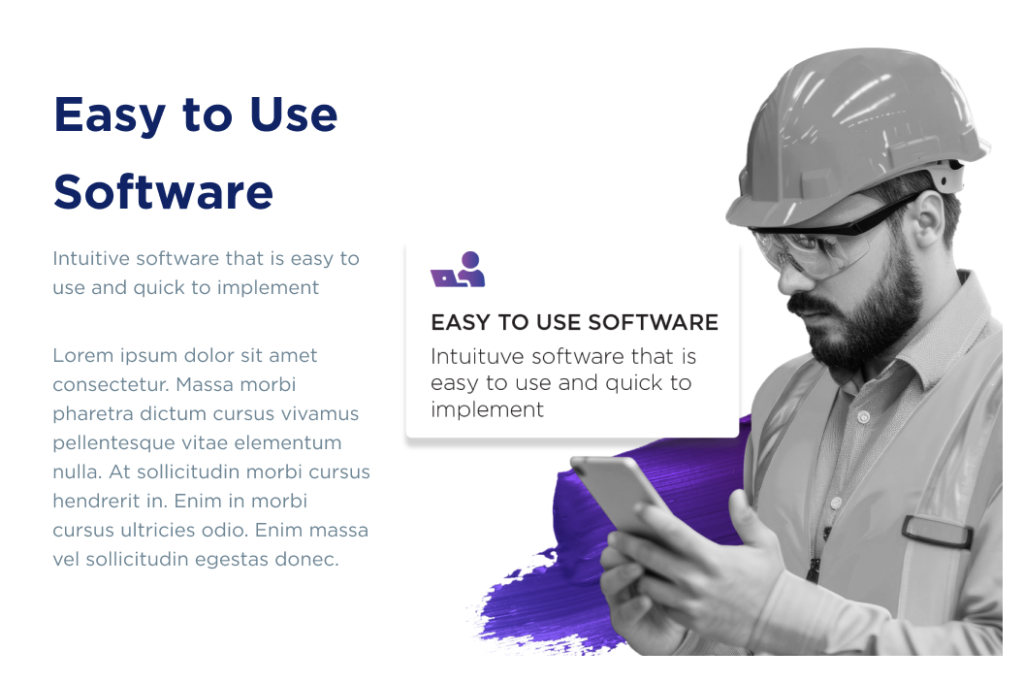
Your technicians are always on the move, so your software must be easy to use on mobile devices. A user-friendly interface ensures quick adoption and reduces training time.

Modern FSM tools allow technicians to access job details, update statuses, and communicate with the office in real time, all from their smartphones or tablets.

If your team struggles to use the system, it defeats the purpose of improving efficiency.

2. Scheduling and Dispatching Capabilities

Efficient scheduling is the backbone of any field service business. Look for software that offers automated scheduling and intelligent dispatching.

These features help assign the right technician based on availability, location, and skill set—reducing travel time and improving response rates.

3. Work Order Management

A strong work order system ensures that every job is tracked from start to finish. This includes job creation, assignment, progress tracking, and invoicing.

With full visibility into each job, you can avoid delays, reduce errors, and keep operations running smoothly.

4. Real-Time Tracking and Visibility

Real-time tracking allows you to monitor technician locations, job progress, and service status.

This visibility helps managers make quick decisions, adjust schedules, and handle unexpected issues efficiently. It also improves accountability across your team.

5. Integration with Other Systems

Your FSM software should integrate seamlessly with your existing tools, such as accounting software, CRM systems, and inventory management platforms.

Integration eliminates duplicate data entry and ensures smooth information flow across your business.

6. Reporting and Analytics

Data-driven decision-making is essential for growth. Look for software that provides detailed reports and analytics on key metrics like job completion rates, technician performance, and revenue.

These insights help identify bottlenecks and improve operational efficiency over time.

7. Scalability

Your business will grow, and your software should grow with it. Choose a solution that can scale as you add more technicians, services, or locations.

Cloud-based platforms are particularly beneficial, as they allow easy expansion and remote access.

8. Customer Communication Features

Customer expectations are higher than ever. The best FSM software includes tools for automated notifications, appointment reminders, and real-time updates.

Better communication leads to improved customer satisfaction and stronger relationships.

9. Cost and ROI

Price is always a factor, but it shouldn’t be the only one. Focus on the value the software provides rather than just the upfront cost.

FSM solutions often deliver ROI through increased productivity, reduced operational costs, and faster job completion.

Common Mistakes to Avoid

When choosing field service management software, avoid these common pitfalls:

  • Choosing based on price alone
  • Ignoring user experience
  • Overlooking integration capabilities
  • Not considering future scalability

The best solution is one that fits your specific business needs—not just the most popular or cheapest option.

Final Thoughts

Selecting the Best Field Service Management Software is a strategic investment in your business’s future. The right platform will streamline operations, empower your technicians, and enhance customer satisfaction.

By focusing on essential features like scheduling, real-time tracking, mobile access, and integration, you can find a solution that truly supports your growth.

Discover Smarter Field Service Management with TSMPlus

If you’re looking for a powerful, easy-to-use solution tailored for trade businesses, TSMPlus from The Service Manager is worth exploring. Designed to simplify field operations, TSMPlus helps you manage jobs, streamline workflows, and improve team productivity—all in one platform.

Service Field Management Software: The Ultimate Guide for Trade Businesses

Trade businesses operate in a results-driven environment where time, coordination, and customer satisfaction directly impact profitability. Whether you manage an electrical company, HVAC&R service team, plumbing operation, or maintenance crew, staying organised is critical. As workloads increase and customer expectations rise, manual systems simply cannot keep up. This is why service field management software has become an essential tool for modern trade businesses.

In this ultimate guide, we’ll explore what service field management software is, how it works, and why it plays a vital role in helping trade businesses streamline operations and grow sustainably.

What Is Service Field Management Software?

Service field management software is a digital platform designed to manage the entire lifecycle of field service operations. It centralises scheduling, dispatching, job tracking, reporting, invoicing, inventory management, and communication in one system.

Instead of relying on paper job cards, spreadsheets, or disconnected apps, trade businesses gain a unified view of their operations. Solutions like TSMPlus bring these capabilities together in a user-friendly platform built specifically for service-based teams.

Why Trade Businesses Need It

Trade businesses face unique operational challenges:

  • Coordinating multiple technicians across different locations
  • Managing urgent call-outs and schedule changes
  • Tracking parts and equipment
  • Ensuring accurate invoicing
  • Maintaining strong communication between office and field teams

Without the right tools, these challenges create inefficiencies that cost time and money. Service field management software addresses these issues by creating structure and visibility across the organisation.

Key Features That Drive Efficiency

1. Smart Scheduling and Dispatch

Efficient scheduling is the backbone of daily operations. Service field management software provides real-time visibility into technician availability and job status. Managers can assign work quickly, adjust schedules instantly, and reduce travel inefficiencies.

This ensures the right technician is sent to the right job at the right time.

2. Mobile Access for Technicians

Technicians need immediate access to job details while in the field. With mobile functionality, they can view customer history, site notes, equipment details, and service instructions directly from their device.

This preparation improves first-time fix rates and reduces unnecessary return visits.

3. Digital Job Cards and Reporting

Paper-based documentation slows down operations and increases errors. Digital job management tools allow technicians to complete reports, capture photos, log materials used, and collect customer signatures on-site.

All information is synced in real time, improving accuracy and eliminating lost paperwork.

4. Faster Invoicing and Billing

One of the biggest advantages of service field management software is improved billing efficiency. Once a job is completed, invoices can be generated quickly because all relevant data is already recorded.

This shortens payment cycles and strengthens cash flow—an important factor for growing trade businesses.

5. Inventory and Asset Management

Managing stock manually can lead to shortages or overstocking. Service field management software provides real-time tracking of inventory across warehouses and service vehicles.

This ensures technicians have the right parts before leaving for a job, reducing delays and improving service consistency.

6. Performance Reporting and Insights

Data-driven decision-making is essential for growth. Service field management software collects operational data such as job duration, technician productivity, and service trends.

With clear reports and dashboards, business owners can identify bottlenecks, optimise staffing, and plan future expansion more effectively.

Benefits Beyond Daily Operations

While the immediate impact is improved efficiency, the long-term benefits are even more significant.

  • Increased technician productivity
  • Better customer satisfaction
  • Stronger financial performance
  • Reduced administrative workload
  • Improved operational visibility
  • Greater scalability

By streamlining processes and standardising workflows, service field management software allows trade businesses to operate more predictably and professionally.

How to Choose the Right Software

Not all platforms are created equal. When selecting service field management software, trade businesses should look for:

  • Ease of use for both office staff and technicians
  • Mobile accessibility
  • Integrated scheduling and invoicing
  • Inventory tracking capabilities
  • Scalable features that support growth
  • Reliable customer support

The right solution should simplify operations, not complicate them.

A Smart Step Toward Operational Excellence

For trade businesses ready to modernise, adopting service field management software is more than a technological upgrade; it’s a strategic investment. Platforms like TSMPlus offer an integrated solution tailored to the real-world needs of trade teams, combining scheduling, communication, digital reporting, and billing into one streamlined system.

By implementing the right tools, trade businesses can improve daily efficiency, strengthen customer relationships, and build a foundation for sustainable growth.

If you’re looking to enhance your operational control and deliver more consistent service, exploring a comprehensive solution like TSMPlus could be the next step toward long-term success.

10 Service Management Tools Every Growing Trade Business Needs

As trade businesses grow, operational complexity increases. More jobs, more technicians, more customers, and higher expectations can quickly overwhelm outdated systems. What worked when you had a small team may no longer support your current workload. This is where the right service management tools make all the difference.

Modern service management tools help growing trade businesses stay organised, improve productivity, and maintain consistent service quality. Platforms like TSMPlus bring these essential tools together in one connected system, helping teams operate smarter and scale confidently.

Here are ten service management tools every growing trade business should have.

1. Smart Scheduling and Dispatch Tools

Efficient scheduling is the backbone of field operations. Growing businesses need visibility into technician availability, job locations, and workload distribution. Smart scheduling tools allow managers to assign jobs quickly, avoid double bookings, and adjust plans in real time.

With TSMPlus, scheduling becomes streamlined and transparent, helping teams respond faster and reduce wasted travel time.

2. Mobile Workforce Access

Technicians need access to job details wherever they are. Mobile-enabled service management tools allow technicians to view customer information, service history, instructions, and updates directly from their devices.

This ensures they arrive prepared and reduces the need for constant phone calls back to the office.

3. Digital Job Cards and Reporting

Paper-based job sheets slow down operations and create room for errors. Digital job card tools allow technicians to record work completed, capture photos, log parts used, and collect signatures on-site.

TSMPlus enables digital reporting that instantly syncs with the office, improving accuracy and saving valuable admin time.

4. Real-Time Communication Tools

Clear communication between field staff and office teams is essential. Service management tools should provide instant updates and shared access to job progress.

When everyone works from the same information, misunderstandings are reduced and service delivery becomes more consistent.

5. Inventory and Parts Management

As trade businesses grow, managing stock manually becomes risky. Inventory management tools provide real-time visibility into parts availability across vehicles and storage locations.

TSMPlus helps businesses track usage patterns, prevent shortages, and reduce unnecessary overstocking.

6. Automated Invoicing and Billing

Delayed invoicing directly impacts cash flow. Service management tools that connect job completion to billing allow invoices to be generated quickly and accurately.

With TSMPlus, businesses can shorten payment cycles and improve financial stability as they scale.

7. Customer Management and History Tracking

Maintaining detailed customer records is crucial for delivering personalised service. Customer management tools store contact details, job history, asset information, and service notes in one place.

This ensures technicians are well-informed before every visit, improving professionalism and customer satisfaction.

8. Asset and Equipment Tracking

For businesses that service installed equipment, tracking asset history is essential. Service management tools should allow businesses to record maintenance history, warranties, and recurring service requirements.

This improves preventive maintenance planning and reduces emergency breakdowns.

9. Performance Reporting and Analytics

Growing businesses need data to make informed decisions. Reporting tools provide insights into technician productivity, job completion times, revenue trends, and service performance.

TSMPlus turns operational data into clear reports that help business owners identify areas for improvement and plan for future growth.

10. Scalable System Architecture

Perhaps the most important tool is scalability. Service management tools must grow alongside the business. Whether adding new technicians, expanding into new service areas, or increasing job volume, the system should adapt without creating complexity.

TSMPlus is built to support this growth, offering flexibility and ease of use that makes expansion smoother and more manageable.

Why Growing Trade Businesses Choose Integrated Solutions

While each of these tools is powerful individually, their true value comes when they work together in one platform. Instead of juggling multiple disconnected systems, integrated solutions streamline workflows and reduce data duplication.

TSMPlus combines scheduling, communication, reporting, inventory, invoicing, and analytics into one easy-to-use platform designed specifically for trade businesses. This unified approach simplifies operations and supports long-term success.

Setting Your Business Up for Sustainable Growth

Growth should be exciting, not chaotic. The right service management tools provide structure, visibility, and control, helping trade businesses scale without sacrificing quality or efficiency.

If your business is expanding and you want to ensure your systems can keep up, adopting a comprehensive platform is a smart investment. Explore how TSMPlus can help your trade business streamline operations and support sustainable growth.